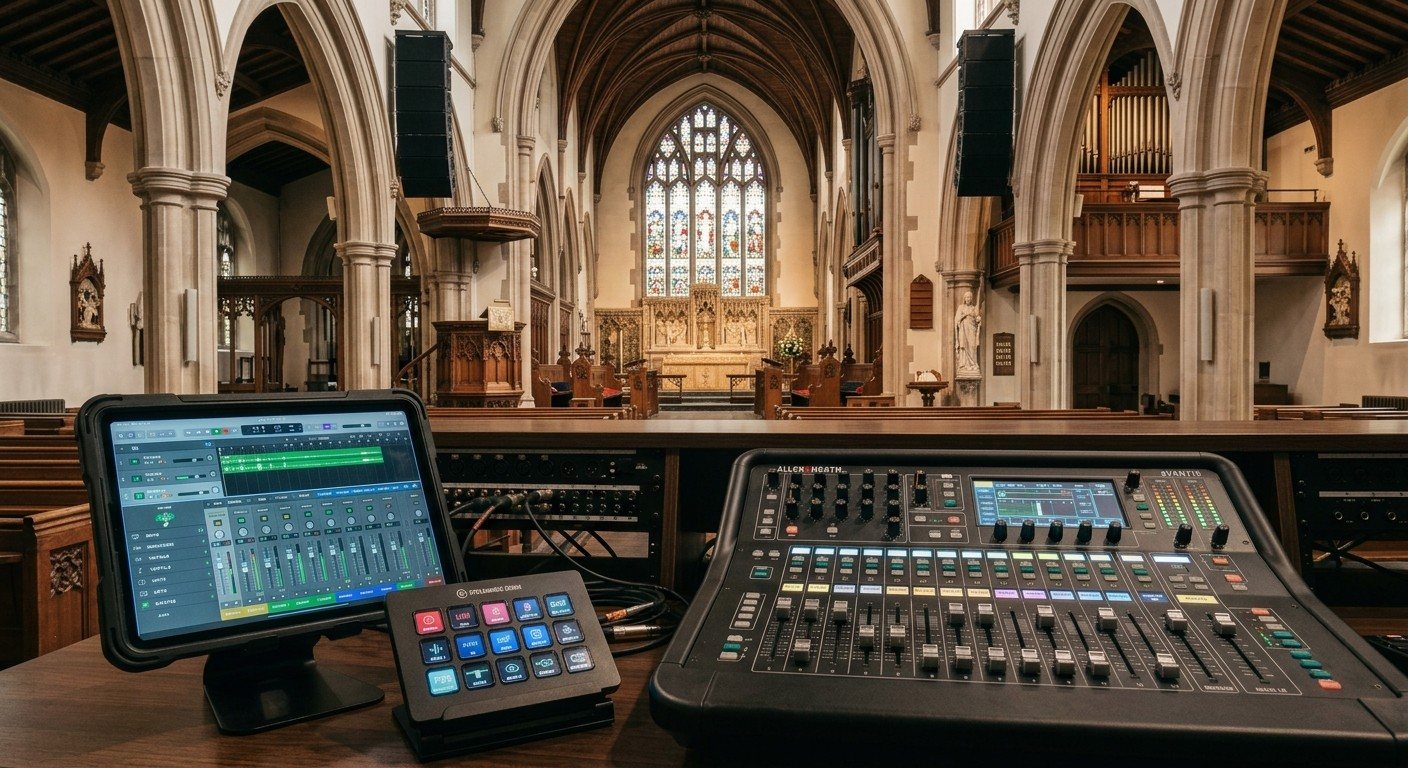
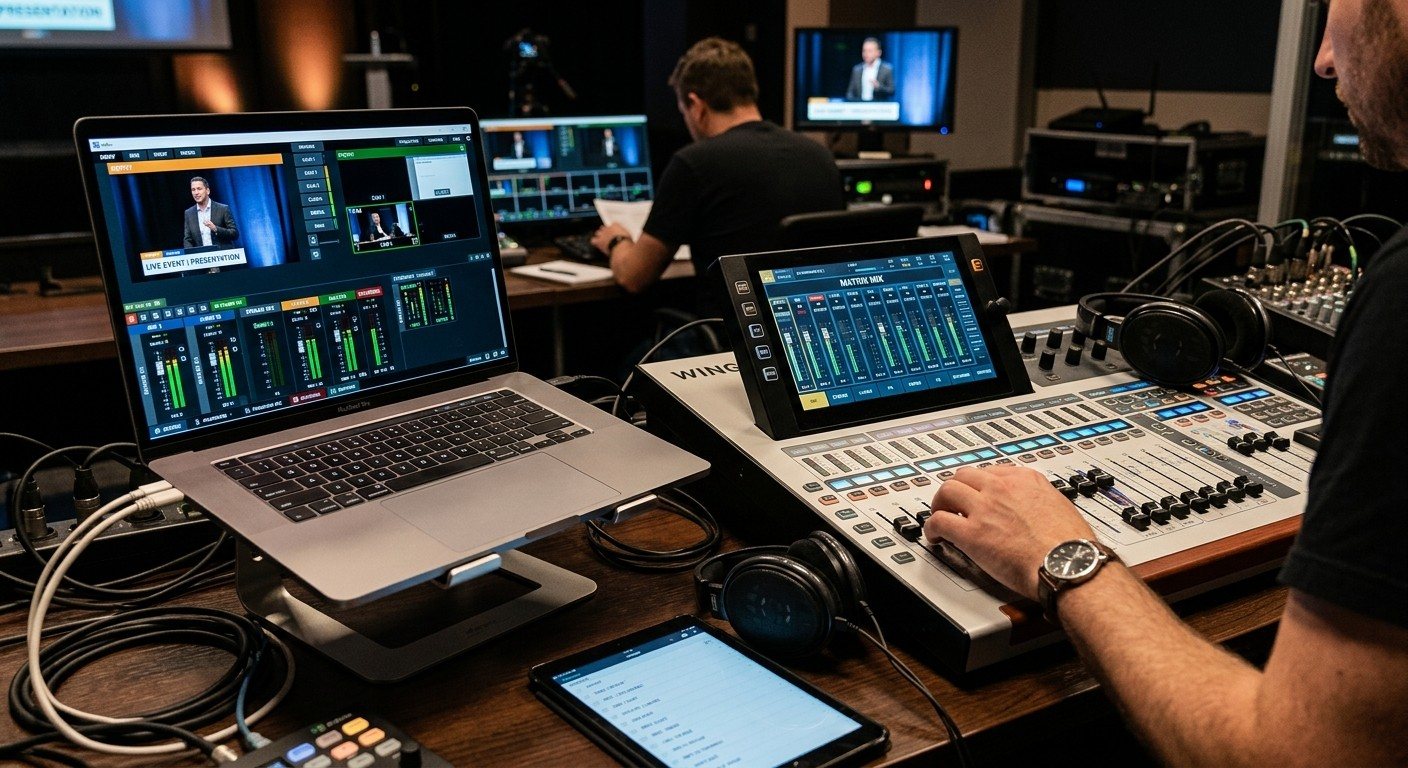
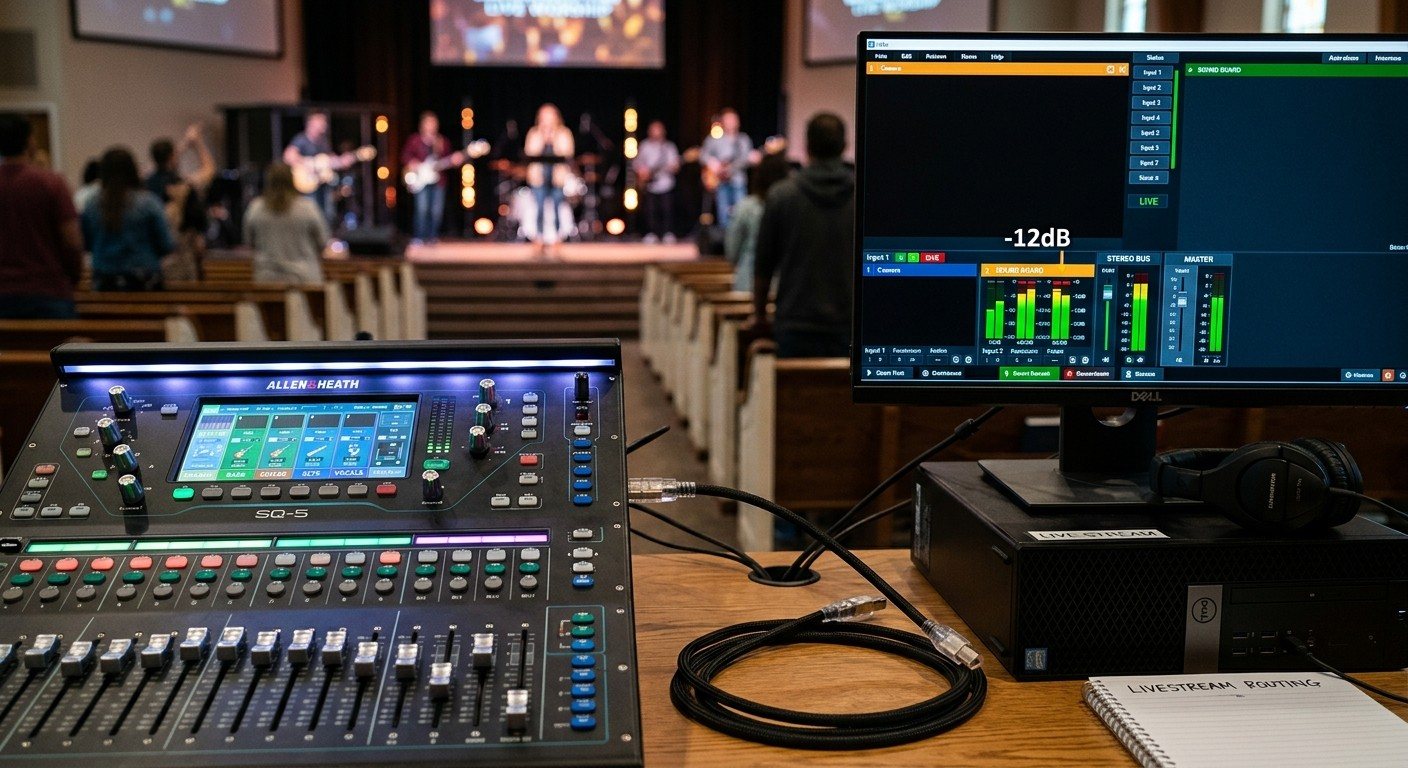
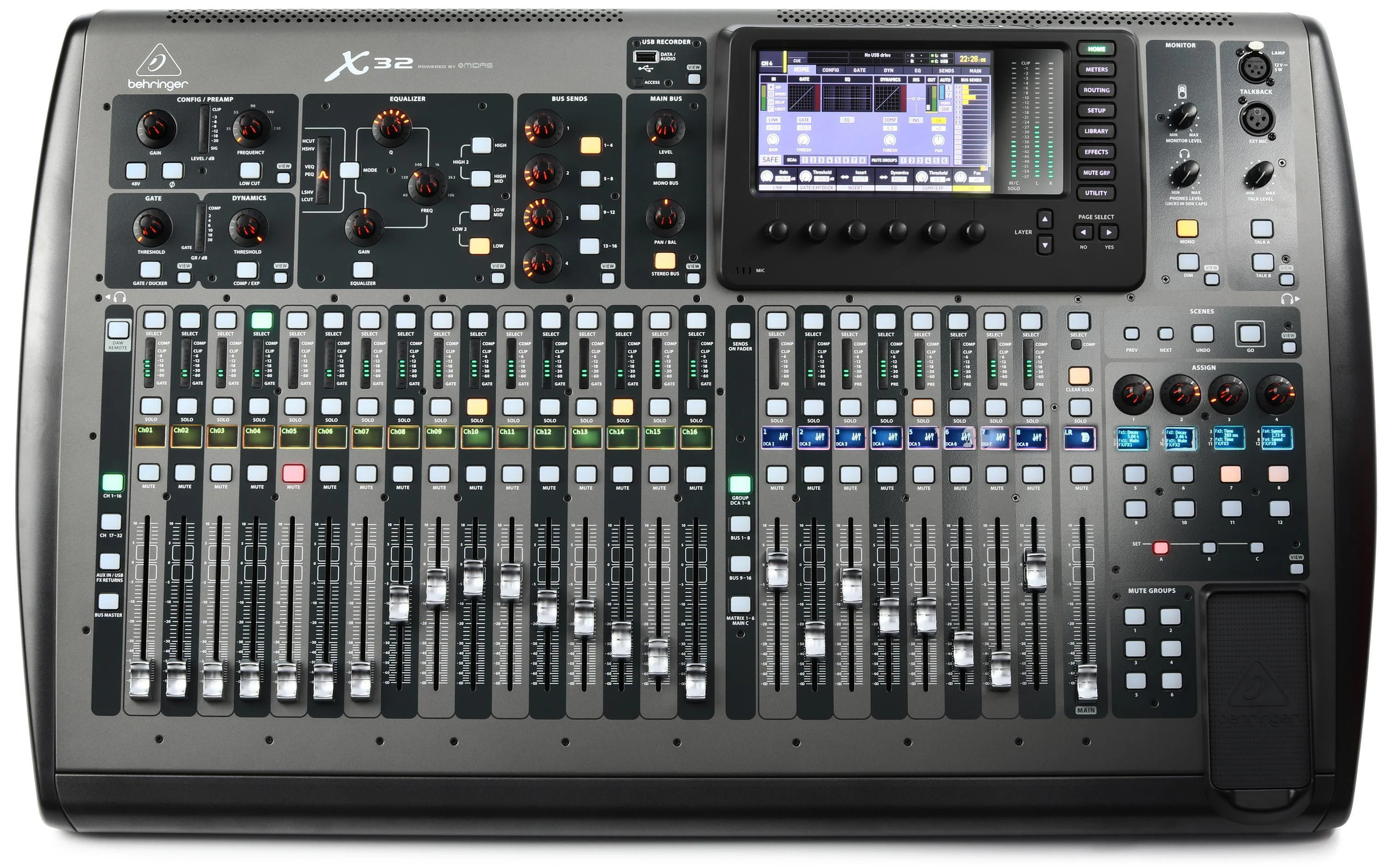
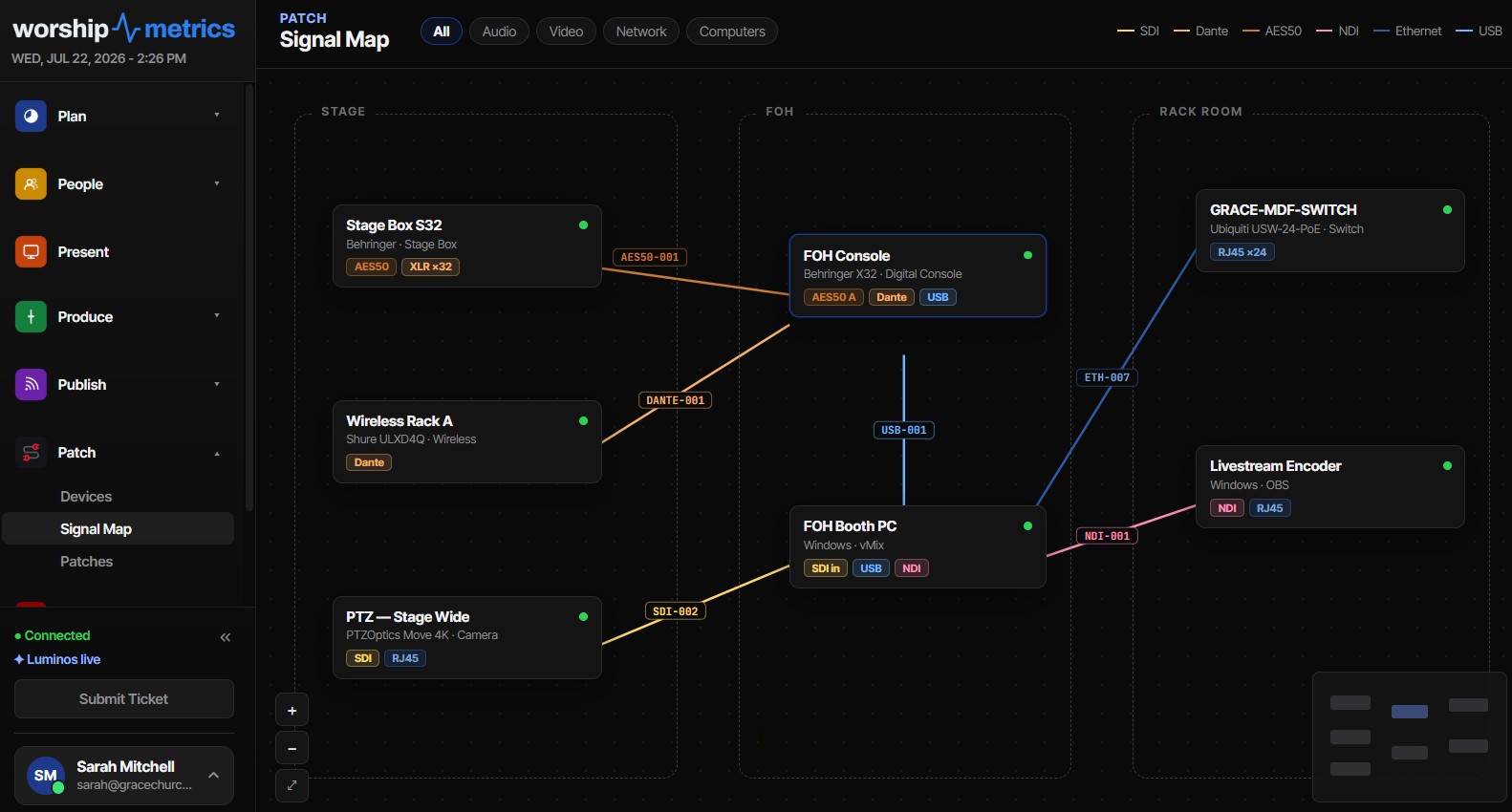
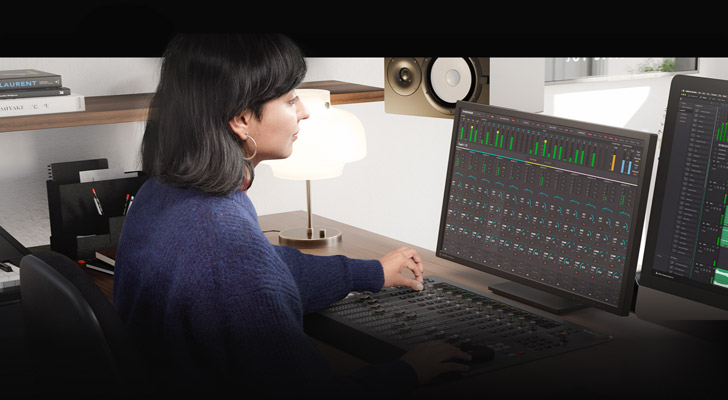
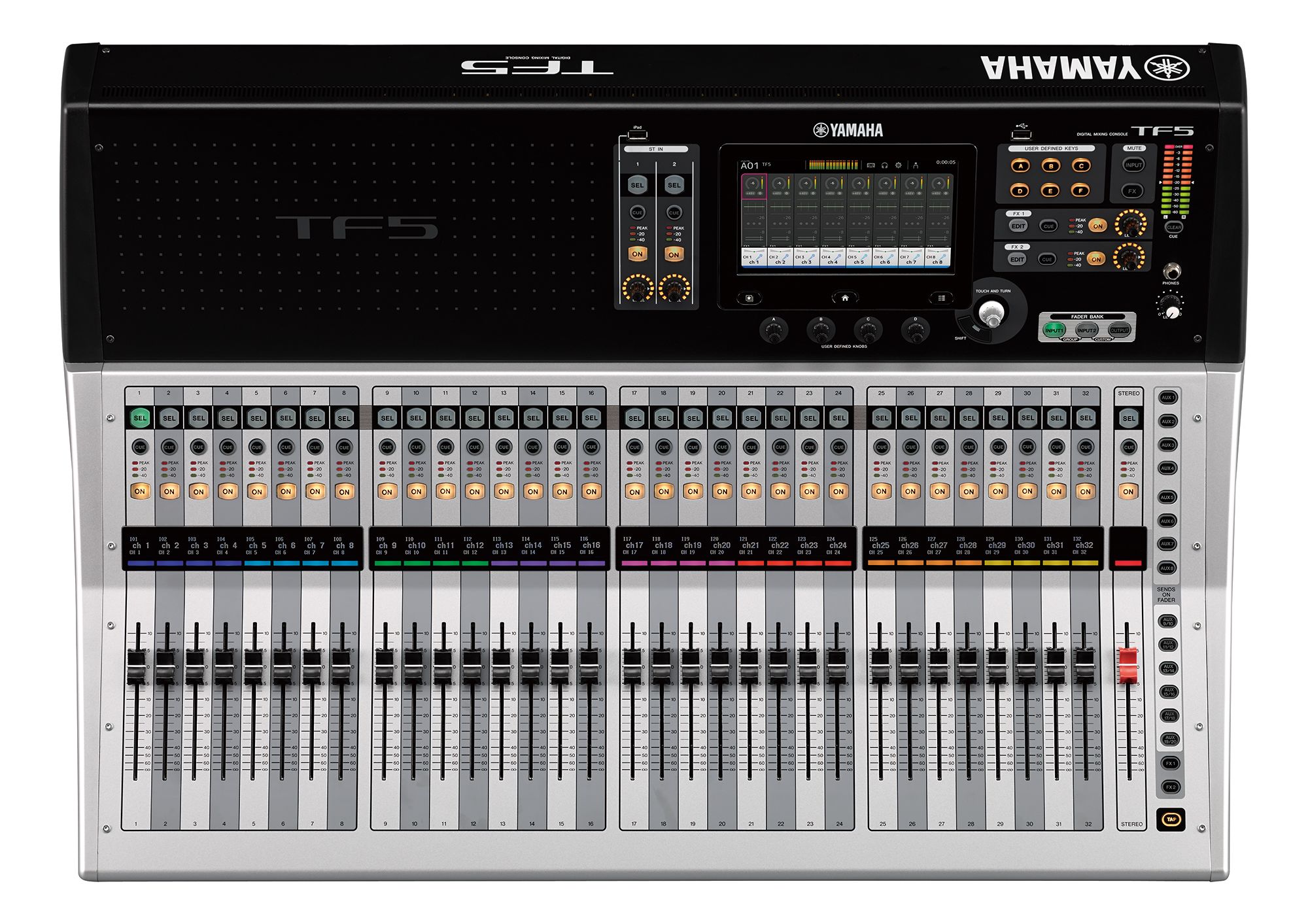
Church audio gets easier when the hard work is saved once and recalled with a button. Board scenes, Bitfocus Companion on a Stream Deck or tablet, and WorshipMetrics slide actions and monitoring turn complicated console moves into plain-word buttons a volunteer can trust.
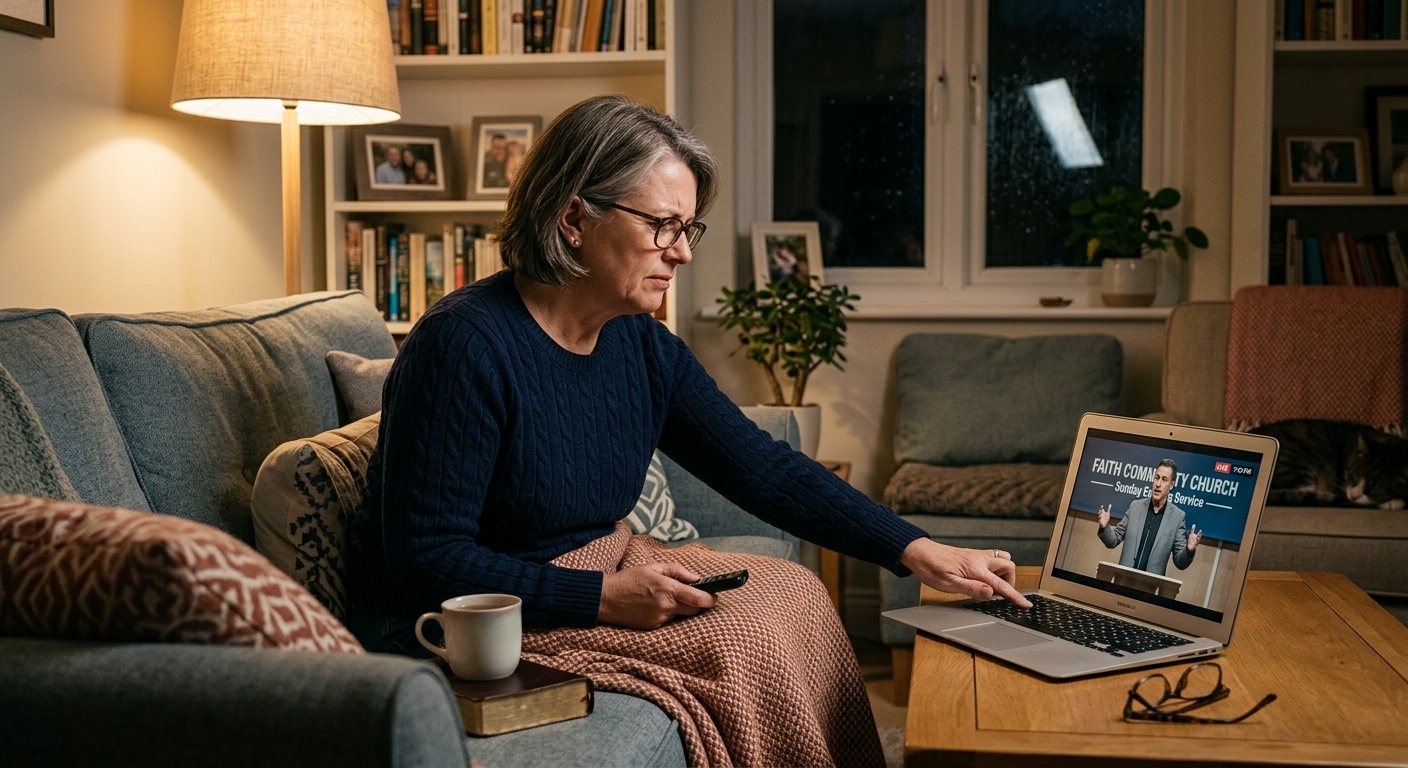
Most church livestream audio complaints come down to three problems: levels (the pastor is too quiet or the band is too loud), sync (lips and sound don't match), and room sound (echoey, distant, or doubled). Here's how to spot each, why it happens, and how to fix it in OBS, vMix, or an ATEM.
The mix that sounds great in the sanctuary almost never sounds right on a phone at home. The room adds drums, voices and reverb the board never sends. A separate stream mix (an aux, a matrix, or a second mixer) is the single biggest audio upgrade most churches can make. Here's why, and how to start.
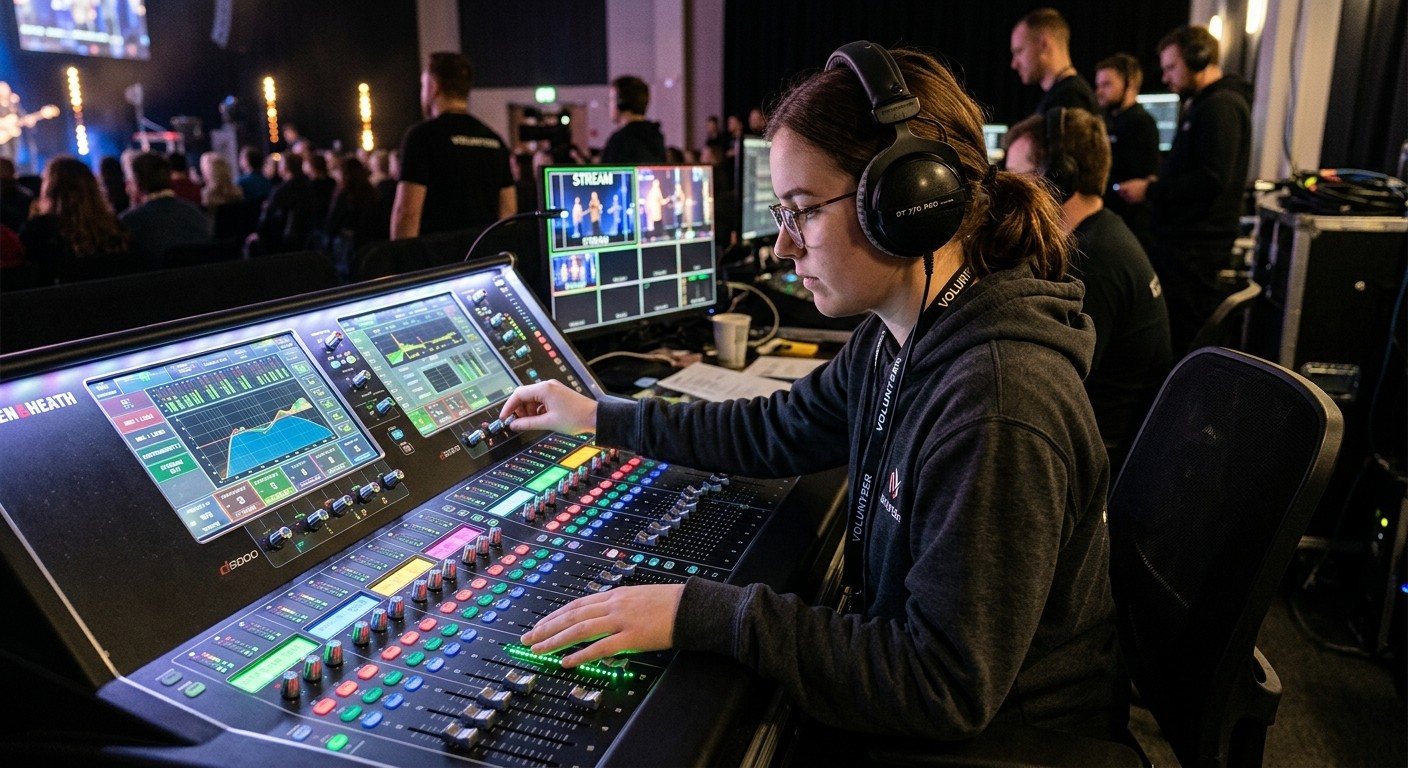
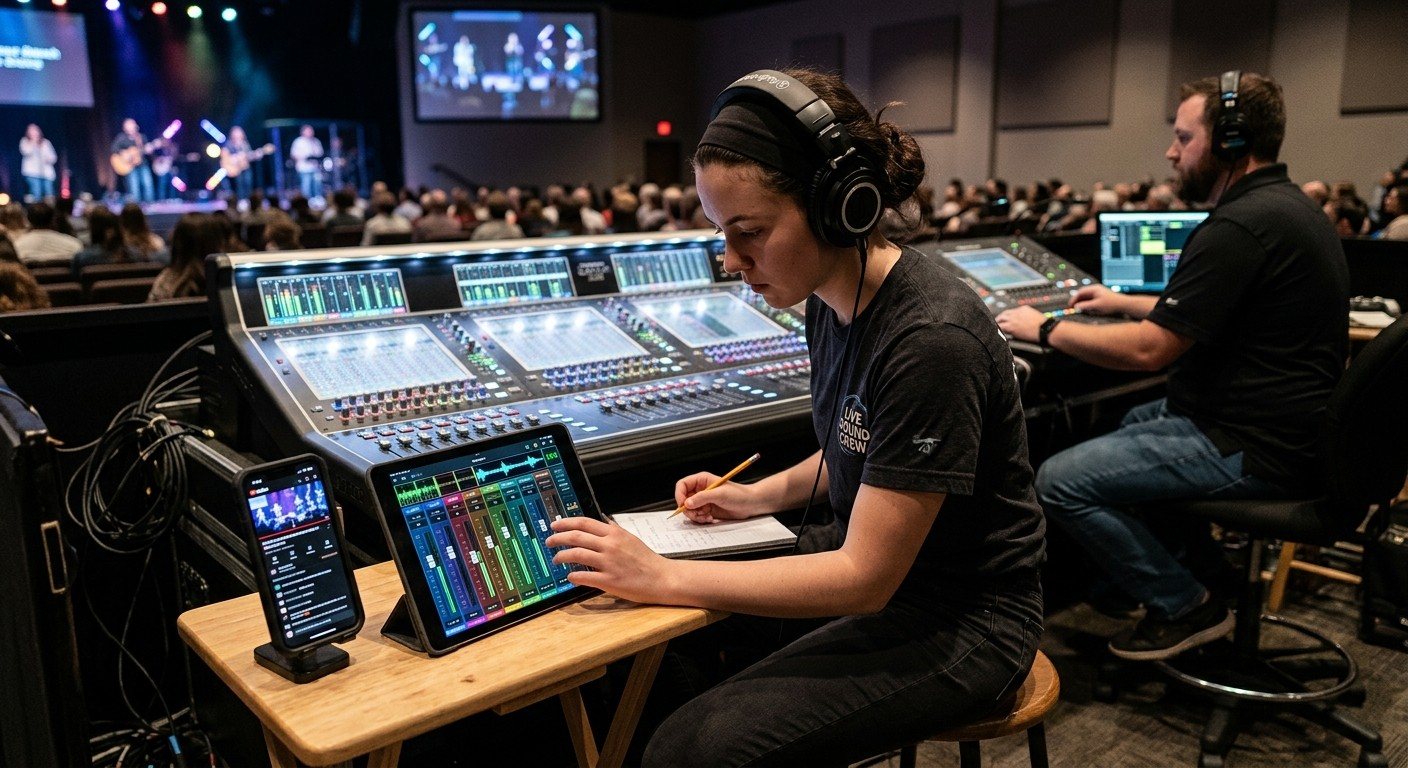
The front-of-house engineer is mixing for the room. Someone needs to listen to what people at home hear. Here's what the stream audio seat does, what it needs, a Sunday checklist, and how it fits with the director, slides, and camera seats on a church livestream team.
Three ways to build a separate livestream mix on a church sound board: an aux bus (most flexible), a matrix (easiest), or a second mixer (most independent). Here's how each works, which to choose, and a step-by-step for the most common setup.
Your stream mix has to reach the streaming computer or switcher cleanly. Here are the three common ways (USB from a digital board, Dante over the network, and analog cables into an interface or the ATEM), how to set each up in OBS, vMix, and the ATEM, and how to avoid the usual problems.
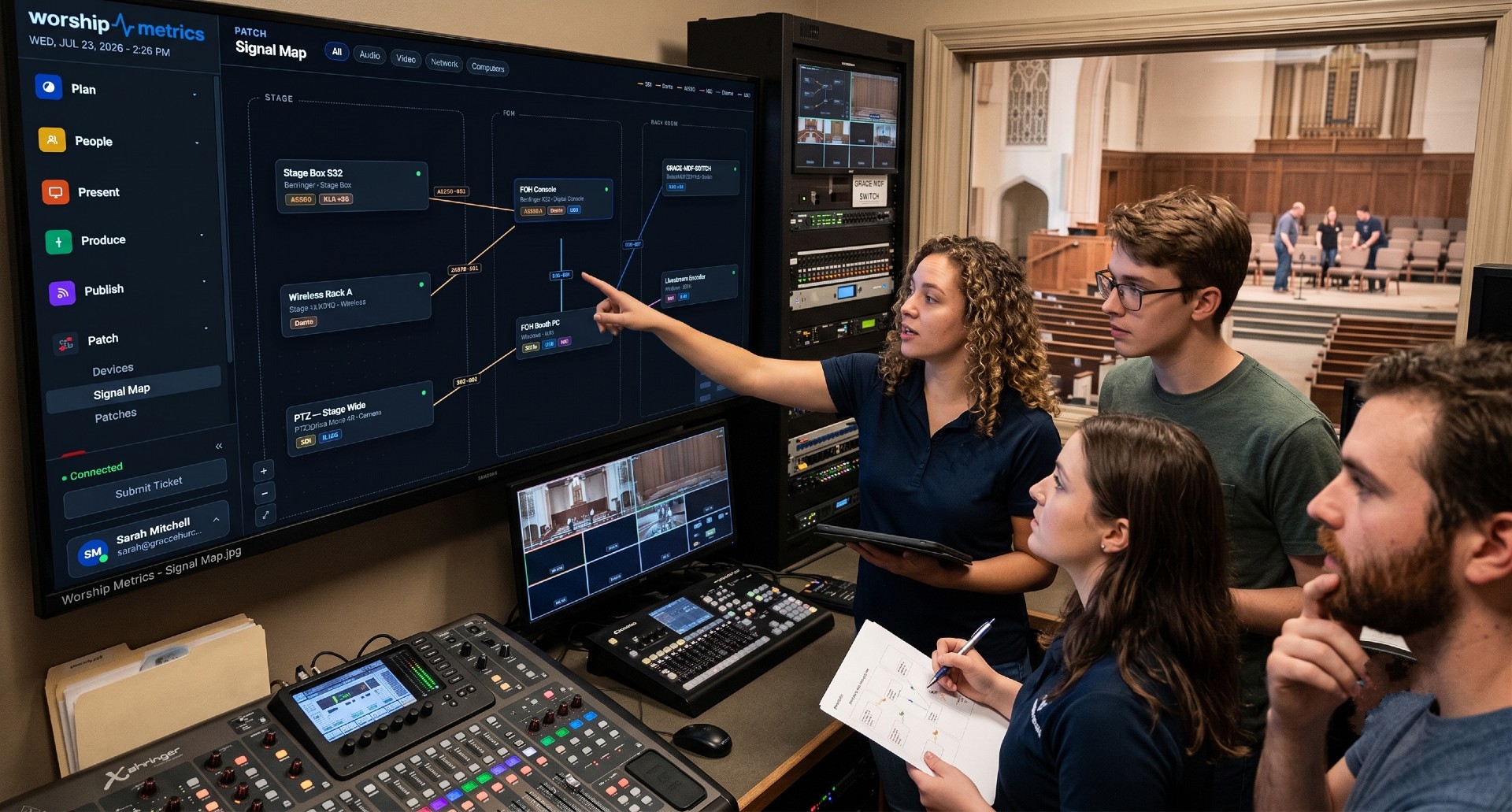
A symptom-first field guide to the audio failures church streams actually hit — silent streams, vanished USB mixers, crackle, echo, buried vocals, drifting sync — with the fast checks for each, and the upgrades that end the guessing: a mapped signal path, audio on watch, and AI that knows your board.
How ASIO driver enumeration catches Dante Virtual Soundcard even when Windows can't see it, how mDNS _netaudio discovery finds your Dante hardware, and why that context changes support conversations.
Why Dante, AES67, NDI, Art-Net, and sACN ride happily through network switches while AES50, Ultranet, dSNAKE, and HDBaseT must run point-to-point — and how to avoid the classic snake-into-the-switch disaster.