Introduction
Choosing between an LED wall and a projector is rarely just a visual decision. It affects budget, room design, volunteer operation, maintenance, and how your congregation experiences the room every week.
The right answer depends less on what looks impressive in a product demo and more on how the display system fits your sanctuary, lighting conditions, technical team, and long-term support reality.
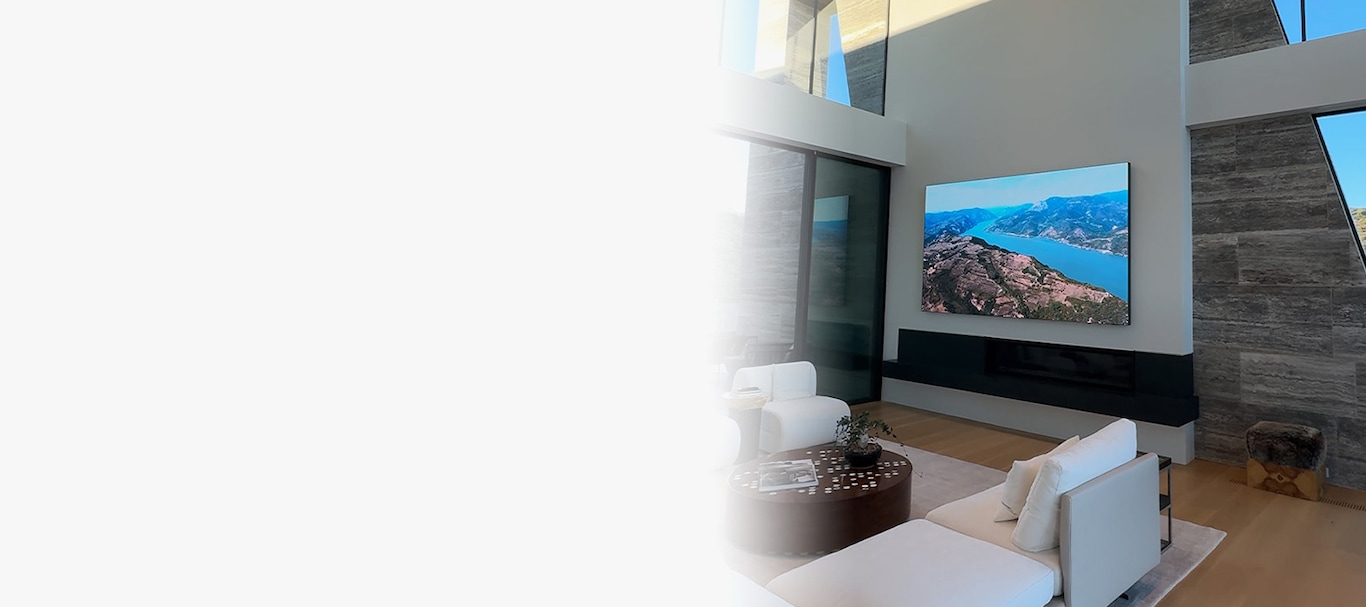
Brightness and Ambient Light
Rooms with high ambient light or difficult projection angles often push teams toward LED solutions. Darker rooms with simpler geometry may still be well served by projection.
This is one of the clearest dividing lines. If your sanctuary is bright, has architectural light spill, or cannot fully control natural light, projection may struggle even when the projector is technically strong.
LED walls generally offer:
- higher brightness
- more consistent visibility under room light
- less dependence on perfect throw conditions
Projectors can still work well when the environment supports them and the team is realistic about what the room allows.
Resolution and Viewing Distance
An LED wall that looks impressive up close may not be the right choice at your sanctuary’s typical viewing distance and budget. Pixel pitch matters, not just overall size.
That means the conversation should include:
- where people actually sit
- how large text needs to be readable
- whether graphics or IMAG will be used heavily
- how much detail the congregation truly benefits from
Display clarity is about context, not just headline resolution.
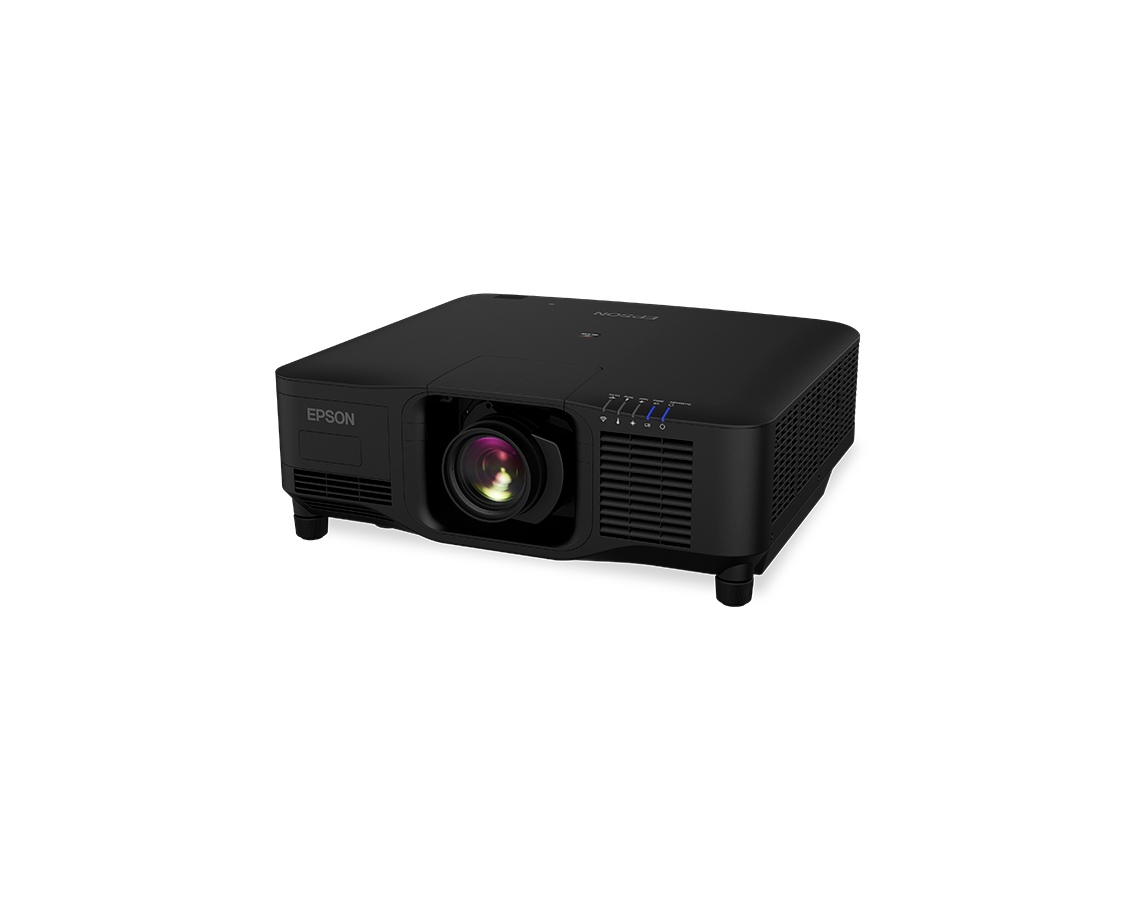
Maintenance and Longevity
Projectors and LED walls fail differently. Think about replacement parts, service access, cleaning, and long-term support before comparing only purchase price.
Projectors often bring ongoing lamp or laser considerations, filter maintenance, and alignment concerns. LED walls shift the conversation toward panel maintenance, processing, and service access.
The key question is not only “What costs less today?” It is “What will our team still be able to support well three years from now?”
Operational Simplicity for Volunteers
The display system should not create extra volunteer burden. Startup behavior, signal routing, confidence monitoring, and troubleshooting all matter in real ministry settings.
For example:
- how predictable is the system at power-on?
- how often do volunteers need to intervene?
- is routing intuitive and documented?
- what happens when the primary signal disappears?
The more complicated the display chain becomes, the more training and documentation matter.
Budget for the Whole System
Display cost includes mounting, signal flow, network changes, processors, and support. A cheaper screen can become an expensive system if the surrounding requirements are ignored.
Budget planning should include:
- mounting and structural needs
- processors or scalers
- routing changes
- confidence monitor implications
- future content and media workflow changes
- maintenance and support expectations
Too many teams compare a projector price to an LED wall price without comparing the full system around each option.
Match the Display to the Ministry Use Case
Some sanctuaries primarily need clear lyric support and sermon graphics. Others need stronger visual storytelling, event production flexibility, or live camera reinforcement.
The display choice should reflect:
- how visual the service is
- how often media changes
- whether IMAG matters in the room
- whether the congregation needs readability or immersion most
Not every room needs the same visual strategy.
Conclusion
The right sanctuary display choice depends on your room, your visual goals, and what your team can actually support week after week.
The strongest decision is usually the one that balances visibility, supportability, and long-term fit, not simply the option that looks most impressive on install day.
Network Infrastructure for Church AV & Streaming
NextvMix Complete Setup Guide for Church Live Production
Related Articles
Best Free Church Presentation Software (2026): Honest Picks and What You Give Up
The free church presentation software worth considering in 2026, including WorshipMetrics Present, FreeShow, OpenLP, WorshipTools Presenter and VideoPsalm, what 'free ProPresenter' really means, and what churches give up by not paying.
EasyWorship vs ProPresenter: Which Fits Your Church? (2026)
EasyWorship vs ProPresenter in 2026: both now run on Windows and Mac and both are subscriptions. Current prices per computer and per campus, trials, features, learning curve, and which church each one fits, plus a free alternative.

Is ProPresenter Free? Pricing, Trial Limits & Free Alternatives (2026)
The straight answer to 'is ProPresenter free?': what the free download can and can't do, the watermark, the 14-day trial, current subscription prices per seat, what older versions still do, and free alternatives for churches.