The Yamaha TF5 stands as one of the professional-grade digital consoles available at prices accessible to churches. With support for 48+ channels of mixing capability through a combination of physical and networked inputs, the TF5 handles the most demanding worship audio scenarios. This guide walks you through configuring this sophisticated mixer for reliable service in large facilities.
Assessing Your TF5 Requirements
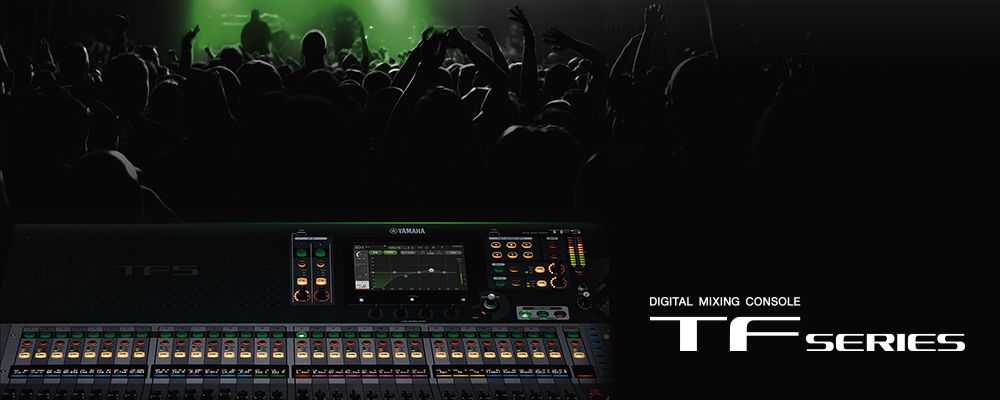
The TF5 makes sense for churches that operate with 30+ simultaneous audio inputs, run multiple worship styles, or support multiple worship spaces from a central mixing location. The console’s network capabilities allow expansion beyond its 16 physical analog inputs, making it scalable to virtually any facility size.
If your church’s current setup exceeds the capacity of mid-range consoles like the TF3, or if you anticipate significant growth, the TF5 provides headroom and flexibility that protects your investment long-term.
Physical Installation and Cooling
The TF5 is substantial and heavy, requiring dedicated console furniture or professional installation in a fixed mixing position. Unlike portable mixers, the TF5 belongs in a permanent control room or mixing booth where it can be properly ventilated and cabled.
Ensure adequate cooling around the rear panel. The TF5 generates significant heat, particularly when driving large numbers of simultaneous processes. Install a small ventilation fan if your control room doesn’t have adequate air circulation.
Network Infrastructure Setup
The TF5’s power comes largely from its networking capabilities. Configure a dedicated network for your AV equipment, separate from your guest WiFi and office network. This segregation improves reliability and security.
The TF5 includes multiple Gigabit Ethernet ports. Configure one for connection to your facility network, and potentially others for Dante audio networking if you’re expanding input capacity through networked audio devices.
Configuring Physical Audio Inputs
The TF5 provides 16 physical analog audio inputs. Connect your primary microphones, instruments, and playback devices to these inputs. Establish clear, consistent naming conventions for each input so your mixing team always knows which input corresponds to which source.
Set input gain carefully for each source. Speak into microphones or play instruments at typical service levels, adjusting input gain so peaks reach approximately -12 dB. This consistent gain structure is foundational to professional mixing.
Expanding Input Capacity Through Dante Networking
The TF5’s true power emerges through Dante networking. Dante is an industry-standard audio networking protocol that carries professional-quality audio over standard Ethernet infrastructure. Unlike dSNAKE (Allen & Heath’s proprietary system), Dante is platform-agnostic and works with equipment from multiple manufacturers.
Install a Dante card in the TF5 if not already present. This card provides Dante audio networking capability, allowing you to connect Dante-enabled stage boxes, speakers, or other audio devices. For churches planning to expand from a single mixer to multi-location audio systems, Dante provides the architectural flexibility to do so.
Building Complex Mixing Infrastructure
With expanded input capacity through Dante, you can now manage audio for multiple worship spaces simultaneously. Your sanctuary requires one mix, your overflow room requires another, your streaming feed requires a third. The TF5 provides sufficient buses and processing capacity to handle all three simultaneously.
Create multiple main mix buses if supporting multiple spaces. Alternatively, use your auxiliary buses to create dedicated mixes for different spaces. This flexibility allows unprecedented scalability in how you manage audio across large, complex church facilities.
Processing Power and Effects
The TF5 includes sophisticated built-in effects and processing capabilities. Compression, parametric EQ, reverb, delay, gating—all available on numerous channels simultaneously. The processing power is substantial enough that you rarely encounter “out of processing capacity” messages that might occur on smaller consoles under extreme loads.
Use this capacity thoughtfully. Apply compression to vocal channels. Add parametric EQ for room correction. Use gating on ambient microphones. Layer these effects across many channels to create polished, professional audio that reflects your church’s technical sophistication.
Remote Control and Monitoring
The TF5 supports remote control through Yamaha’s StageMix application, just like smaller TF series consoles. However, given the complexity of the TF5, you might also want to consider network monitoring and control through more sophisticated interfaces.
Configure network access carefully. Set strong passwords for remote mixing access. Ensure that only authorized personnel can connect to the TF5 remotely.
Backup and Redundancy
For a facility relying on a TF5 as the centerpiece of audio infrastructure, backup capability is essential. Some churches maintain a secondary TF5, while others keep a mid-range console (like a TF3) as a functional backup.
Export your show files regularly to multiple USB drives kept in different secure locations. This protection ensures that if hardware failure occurs, you can restore your mixing configuration quickly rather than rebuilding from memory.
Training Your Mixing Team
The TF5’s complexity requires more thorough training than smaller consoles. Your mixing team should understand: the console’s architecture, how to manage multiple mix buses simultaneously, how to use networked audio inputs, and how to handle backup and recovery procedures.
Invest in proper training. Many churches send key mixing personnel to manufacturer training sessions or bring in consulting engineers to conduct on-site training. This investment prevents errors and ensures your team uses the console’s capabilities effectively.
Commissioning and Testing
Before your first service using the TF5, conduct extensive testing. Run multiple rehearsals. Have your team practice scene recalls, adjusting all mix buses simultaneously, and handling the complex mixing scenarios that only large facilities encounter.
Test your backup procedures. Verify that your show files can be exported and restored. Ensure that remote control works properly. This thorough commissioning prevents technical disasters during your first actual service.
Your Yamaha TF5 now provides professional-grade mixing capability supporting the most sophisticated church audio requirements. Treated as a strategic investment in your ministry’s infrastructure, the TF5 serves your congregation faithfully for many years while supporting your mission to reach people with excellent worship audio.