
The Yamaha TF1’s scene memory system transforms mixing from a manual, error-prone process into a reliable, repeatable workflow. Rather than recreating your mixing setup manually every Sunday, you save your carefully crafted mix as a Scene, then recall it with a single button press. This capability is essential for churches with volunteer mixing teams and enables consistent, professional audio week after week.
Understanding Scenes and Shows
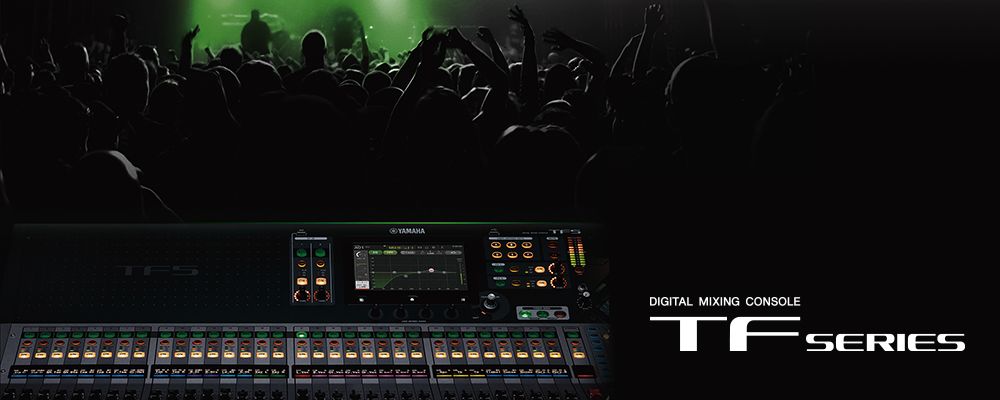
The TF1 organizes mixing data in a hierarchy: Shows contain Scenes, and Scenes contain complete mixer states. Think of a Show as a specific service or event—“Sunday 9am Service” or “Wednesday Bible Study.” Within that Show, you create multiple Scenes representing different parts of your service: “Opening Song,” “Sermon,” “Closing Worship,” each with its own perfectly tuned mix settings.
This structure provides remarkable flexibility. You can quickly transition between different parts of your service by recalling the appropriate Scene, and you can duplicate a Show from last week and use it as the foundation for this week’s service, saving tremendous setup time.
Creating Your First Show
On the TF1’s touchscreen, navigate to the Show menu. If this is your first time using Scenes, you’ll see an option to create a new Show. Tap this and name your Show something clear and descriptive like “Sunday Service - Main” or “Weekly Worship.”
The mixer creates a default Scene within this Show. Before saving anything, set up your mixing state exactly how you want your service to begin. Connect your microphones, set input gains, adjust channel faders to your desired starting levels, and configure any processing. Your goal is to create a complete, working mix state that represents the baseline for your service.
Saving Your Baseline Scene
Once your mixing setup is exactly as you want it, save this state as your baseline Scene. Navigate to the Show menu and find the option to save the current Scene. Name it something clear like “Service Start” or “Main Mix Baseline.”
The TF1 records everything in this Scene: every fader position, every mute button state, every processing setting, every effect status. When you later recall this Scene, the TF1 restores everything to exactly this state, giving you a known-good starting point every time.
Many churches save a baseline Scene before every service. This practice means that if a volunteer accidentally changes something critical during setup—unmutes a channel, moves an important fader—you can instantly recall your baseline and get back to a working state in seconds.
Building Multiple Scenes for Service Structure
Most churches benefit from creating separate scenes for different portions of their service. Create a “Worship Scene” where all instruments are active, vocals are featured, and effects are engaged. Then create a “Sermon Scene” where music channels are either muted or faded down, and the lead microphone is prominently featured.
To create a new Scene within your existing Show, navigate to the Show menu and select “New Scene.” Adjust your mixing setup to match what you want for this service segment, then save. Name it descriptively so you remember what portion of your service it covers.
During an actual service, transitioning between Scenes becomes seamless. When the sermon begins, your operator presses the “Sermon Scene” recall button, and instantly the mixer reconfigures itself. Instruments mute, vocal levels adjust, processing changes—all happening automatically. This eliminates manual fader adjustments during worship and dramatically reduces the chance of technical errors.
Scene Recall During Services
During your actual service, Scene recall happens simply. Navigate to the Show menu, which displays all your saved Scenes. Tap the Scene you want to recall. The TF1 immediately applies all settings associated with that Scene.
Many churches configure the TF1’s physical buttons to enable quick Scene recall without using the touchscreen. This physical button access makes Scene transitions faster and doesn’t require your operator to look at the console during crucial worship moments.
Protecting Your Scenes from Accidental Changes
After you create your carefully crafted Scenes, protect them from accidental modification by volunteers. The TF1 allows you to lock Scenes, preventing anyone from accidentally overwriting them. Navigate to the Show settings and look for Protect or Lock options.
You can protect specific Scenes while leaving others editable, allowing flexibility if you want to modify a Scene but protecting your critical baseline. This layered protection prevents catastrophes while maintaining the ability to make intentional improvements.
Backing Up Your Shows
The TF1 stores Shows internally, but regular backups protect against data loss. Connect a USB drive to the TF1’s USB port and export your Shows to the USB drive. Many churches do this monthly or whenever they make significant changes.
Keep your USB backup in a secure location. If your TF1 ever needs factory reset or if hardware failure occurs, you can quickly restore your Shows from backup rather than rebuilding them from memory. This simple practice has saved countless churches from mixing disasters.
Working with Multiple Services
If your church runs multiple Sunday services with different musicians, create separate Shows for each service type. “9am Contemporary Service” might have different channel configurations and effects than “11am Traditional Service.” Keep these Shows organized, and you have instant access to the right configuration for any service.
For special events like conferences, baptisms, or seasonal celebrations, create dedicated Shows. Build them well in advance, test them thoroughly during rehearsal, and save them. When the actual event occurs, you simply recall your prepared Show and focus on real-time mixing adjustments rather than worrying about configuration details.
Transferring Shows Between Consoles
If your church purchases a second TF1 or needs to share mixing configurations with another location, transferring Shows is straightforward. Export your Show to a USB drive on your primary TF1, then import that Show on the second mixer. All your carefully configured Scenes transfer perfectly, saving hours of setup time.
This capability is particularly valuable for multi-site churches or when adding a second mixer to your facility. Rather than recreating configurations from scratch, you leverage your existing work across multiple consoles.
Collaborative Workflow with Multiple Operators
If multiple volunteers operate the TF1, clear documentation of your Scene structure is essential. Create a simple one-page reference for Sunday service: list each Scene in order, note what portion of the service it covers, and describe any special instructions.
Some churches take photographs of their fader layout at key moments and print them as reference cards. A new operator can match the visual pattern they see on the mixer to a printed reference, building confidence in recalling the right Scene at the right time.
Version Control and Service Evolution
As your service structure evolves, don’t overwrite your existing Scenes—create new versions instead. Save “Sermon Scene v1” and “Sermon Scene v2,” keeping the original as a fallback. This version control approach lets you experiment with new mixing approaches while maintaining proven backups.
If a new Scene isn’t working well, you can instantly revert to a proven previous version. This flexibility removes the pressure of getting everything right on the first try and encourages creative experimentation with your mixing.
Exporting and Sharing Configurations
Some churches benefit from sharing their Show files with other churches in their denomination or network. The TF1 allows exporting Shows as files that can be transferred via email or file sharing. This collaborative approach helps smaller churches benefit from larger churches’ mixing expertise and setup experience.
Before sharing, review your Scenes and remove any confidential information like specific personnel names or church-internal notes. Then export and share freely. Many churches find that having reference configurations from experienced peers dramatically accelerates their own learning curve.
Your Yamaha TF1’s Scene system transforms mixing from a nerve-wracking manual process into a reliable, repeatable workflow that your entire volunteer team can manage confidently. With proper organization and regular backups, you have a solid foundation for consistent, professional audio every single Sunday.